Lawn Mowing Covent Garden: Recycling and Sustainability
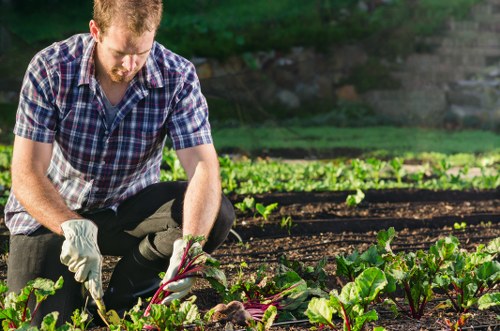 At Lawn Mowing Covent Garden we place environmental responsibility at the heart of every lawn care visit. Our Covent Garden lawn mowing teams are trained to minimise waste, maximise reuse and keep green waste out of landfill. We treat each garden as a small urban ecosystem: clippings, prunings and uprooted plants are assessed on-site for reuse, composting or donation. This page explains our goals, local partnerships, practical recycling steps and the low-carbon fleet that helps keep central London greener.
Our measurable ambition is clear: we aim to divert a minimum of 75% of garden waste from landfill by 2028, with an interim target of 60% by the end of 2025. These targets cover all green waste streams generated by our services — grass cuttings, hedge trimmings, woody prunings and small volumes of soil. To hit these goals we combine on-site separation, local transfer options and strategic charity partnerships that ensure reusable material is redistributed within the community.
 The borough approach in central London influences our collection and separation routines. Both Westminster and Camden operate waste separation systems that prioritise food, paper/card, glass, metals and garden waste — we align our garden rubbish collection Covent Garden procedures with those municipal schemes. Wherever possible we sort at source so green waste enters council-supported composting streams or licensed municipal transfer stations rather than general refuse, helping borough recycling targets and local environmental quality.
To make this concrete, we work with nearby transfer centres and recycling parks to ensure materials are handled correctly. Our local transfer stations and facilities include:
- Westminster municipal transfer facility for segregated green waste and inert soils.
- Camden recycling park partners for wood, bulky garden materials and bundled branches.
- Neighbouring borough recycling centres for specialised streams such as composting and wood chipping.
Using these transfer points reduces haulage time and lowers emissions per tonne of material processed. We also schedule collections to match borough collection days and avoid cross-contamination that can reject loads at the recycling park.
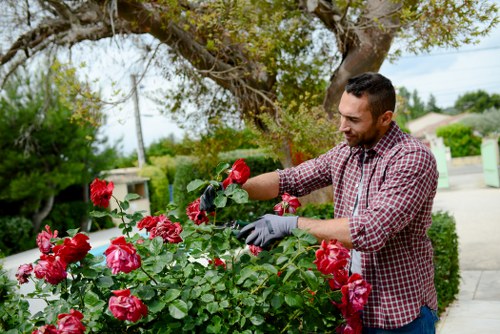 Partnerships with local charities and community groups are a cornerstone of our sustainable rubbish gardening approach. We collaborate with community allotments, urban farms and neighbourhood garden projects to supply usable turf, compost and potted plants. Through these relationships we support food-growing initiatives and youth gardening programmes by donating healthy topsoil, leaf mulch and potted perennials that would otherwise be discarded. These partnerships ensure a circular outcome for reusable materials and strengthen local green spaces.
Low-carbon vans and low-emission logistics
Our fleet is adapted for central London conditions and low-emission zones. We operate a combination of electric vans and plug-in hybrids alongside route-optimised diesel alternatives compliant with ULEZ standards. This approach reduces CO2 and NOx emissions during garden waste collection and enables access to restricted streets in Covent Garden. In addition to vehicle choice, we employ compact trailer bikes and hand-portage for the smallest jobs to further cut urban mileage.Practical on-site recycling and reuse
Sustainable lawn care in Covent Garden emphasises low-impact practices: mulching grass cuttings back into lawns to return nutrients, chipping woody prunings for on-site mulch, and segregating contaminated soils for specialist treatment. Our gardeners use compostable bags for loose green waste when required and avoid plastic wrap for branches. When materials cannot be processed on-site, we move them to transfer stations listed above so they enter industrial composting or wood-recycling streams rather than landfill.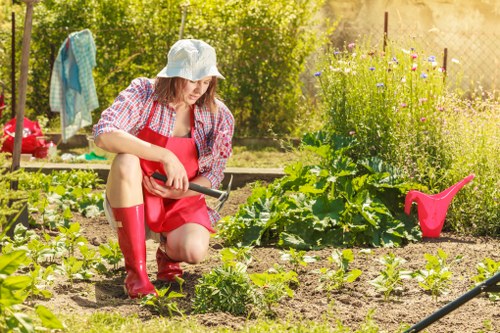 In the public realm and private gardens we also promote soil health and biodiversity. Simple actions — leaving small log piles for invertebrates, using native plant cuttings for propagation, and applying finished compost to flower beds — improve local ecology. These techniques are part of our broader Covent Garden gardening rubbish strategy, reducing the need for chemical feeds and promoting resilient, low-maintenance green areas.
To maintain traceability and accountability we record diversion rates for every job. Clients receive a clear, transparent note showing how much green waste was reused, composted, donated or transferred to recycling facilities. These records feed into our overall recycling percentage target and highlight where operational changes can increase reuse — for example, switching to more on-site chipping to convert bulky material into mulch.
We also invest in staff training on waste separation, contamination avoidance and sustainable pruning techniques. Trained teams are better at identifying materials that can be repurposed (bricks, stone, healthy turf) or require specialist disposal (treated timber, large root balls). Our policy is to treat each garden as a resource, not a bin, and to prioritise local reuse before transporting materials out of the neighbourhood.
 At Lawn Mowing Covent Garden we welcome collaboration across the area — from residents and estate managers to neighbourhood gardens and council services. By combining targeted recycling percentage targets, coordinated use of local transfer stations, charity partnerships and a low-carbon fleet, our Covent Garden lawn care and eco-friendly waste disposal area strategy reduces environmental impact while supporting community green spaces. Together we can keep Covent Garden green, healthy and sustainable, one lawn, one hedge and one compost heap at a time.