Lawn Mowing in Covent Garden

Lawn mowing in Covent Garden is a straightforward service for keeping grass neat, level and manageable in one of central London’s busiest districts. Our work focuses on regular cutting, edging and tidy finishing for gardens, courtyards and other managed green spaces where a consistent look matters. Where lawns sit alongside paths, borders or seating areas, a careful cut helps the whole space feel ordered without overworking the turf.
We support customers who want the grass kept to a sensible height, with a finish that suits the space rather than an overly clipped look. That can include routine mowing at agreed intervals, attention to the edges, and sensible adjustments when conditions are wet, shaded or uneven. Good mowing is not just about speed; it is about how the cut is carried out, how clippings are managed and whether the lawn is left ready for everyday use.
If you are comparing options for lawn mowing in Covent Garden, start by looking at the type of garden, the amount of access available and how often the grass needs attention. You can browse the wider services overview to see how the main garden work is organised, then use the details here to decide whether a simple mowing visit or a broader maintenance plan is the better fit.
Regular mowing for tidy, usable lawns
Regular mowing keeps the sward at a consistent height and stops a lawn from becoming coarse or patchy at the edges. In a smaller central London garden, that consistency can be more important than an aggressively short cut. We aim for a finish that looks clean, supports healthy regrowth and suits the way the space is used, whether it is a private courtyard, shared garden or a more decorative front area.
Each lawn responds differently to season, shade and foot traffic. For that reason, mowing work often needs a little judgement rather than a fixed approach. A shaded lawn may need less drastic reduction, while a heavily used area may benefit from a more frequent schedule. If the grass is long, we usually handle it in a way that avoids stress and keeps the cut even, rather than taking too much off at once.
What a mowing visit can include
Typical mowing work may involve one or more of the following, depending on the condition of the lawn and the access available:
- Cutting the main lawn area to an appropriate height.
- Trimming along edges where the mower cannot reach cleanly.
- Managing clippings so the surface is left neat.
- Making final checks for missed tufts or uneven lines.
Edges, borders and the finish around hard landscaping

The visible quality of a lawn often depends on the details at the perimeter. Crisp edges against paving, steps, beds or decorative borders can make a much bigger difference than the height of the grass alone. Where a lawn sits close to planting or hard landscaping, careful finishing helps avoid a rough or ragged edge that draws attention for the wrong reasons.
We also look at access points, narrow strips and awkward corners that are easy to overlook in a quick cut. In compact properties, these areas can be the difference between a merely shortened lawn and one that looks properly maintained. If your garden includes beds, planters or patio margins, the work can be planned so the mowing lines and the surrounding features feel balanced rather than clipped in an uneven rush.
For customers who want a broader tidy-up, the mowing can sit alongside garden maintenance so that the lawn is not treated as an isolated task. That approach is useful when the grass, borders and general presentation need attention together, especially where a neat finish depends on more than one part of the garden being looked after in the same visit.
Cutting schedules and seasonal lawn care
Lawn mowing is rarely a one-size-fits-all task through the year. In the growing season, grass may need more frequent attention to stay even and manageable, while in slower periods the right approach is usually lighter and less intrusive. We adapt the mowing pattern to the condition of the lawn rather than forcing the same treatment every time.
Seasonal changes can also affect the appearance of the cut. After dry spells, grass may be more brittle; after damp weather, the surface may need a more cautious approach to avoid marks. Where a lawn is recovering from neglect or has been left to grow long, the work may need to be staged so the grass is not stressed unnecessarily. That kind of judgement keeps the lawn looking better for longer.
When a lighter approach is sensible
A lighter approach can be useful when the grass is thin, shaded, newly improved or showing signs of wear. In those cases, the goal is to maintain the lawn without pushing it too hard. A careful cut, followed by tidy edging, often achieves a better result than over-frequent trimming that leaves the surface weak or uneven.
Supporting work around lawns and garden presentation
Although mowing is the main service here, lawns are often part of a wider outdoor space that needs a joined-up approach. If a garden is overgrown beyond the grass itself, additional work may be needed to bring the whole area back to a usable standard. In those cases, a lawn cut works best when it sits alongside other necessary tasks rather than being treated as the only job.
Where grass borders spill into planting beds, or where hedges and shrubs are casting too much shade over the lawn, the appearance of the turf may be affected even if the mowing is done neatly. We can therefore look at the surface as part of the wider space, using practical garden care to support the result. A tidy lawn is easier to keep tidy when the surrounding growth is also under control.
If the garden needs a larger reset before routine mowing makes sense, you can consider garden clearance as a separate stage. That is often useful when the lawn itself is present but the surrounding area needs to be cleared back so the mowing can be done properly and the garden can return to a manageable pattern of care.
About Covent Garden

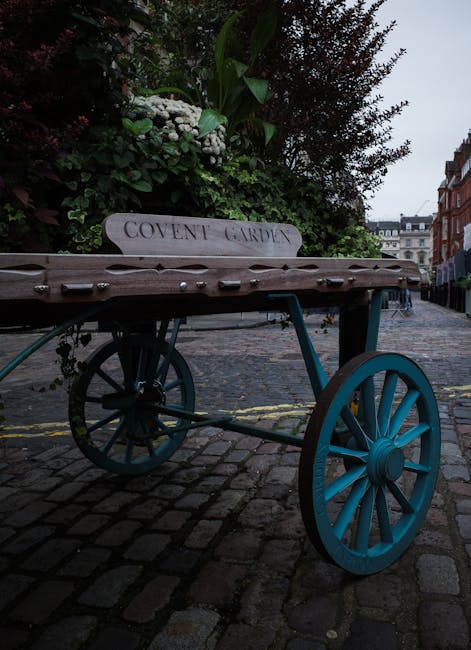
Covent Garden is a district in the West End of London, long associated with markets, theatres and a dense mix of streets, squares and public spaces. The area takes its name from the former convent garden of Westminster Abbey, and its later history is closely tied to the development of the market that once occupied the central piazza. Today the district is known for its blend of commercial activity, entertainment and heritage architecture, with the covered market buildings remaining one of its most recognisable features. The streets around the piazza are lined with a mix of historic and more modern structures, reflecting successive layers of change in a part of the city that has been continually adapted for new uses.
The wider area includes lanes and courtyards that connect toward Strand, the Seven Dials junction and other well-known parts of central London. Much of its character comes from the balance between busy pedestrian movement and quieter side streets, where smaller buildings, hidden yards and compact spaces sit behind the main thoroughfares. Covent Garden is also strongly associated with performance culture, from theatres and opera to street entertainment in the public realm, giving it a distinctive atmosphere within central London. The district’s layout makes it a place of short views and close detail, where facades, shopfronts and pedestrian spaces are often experienced at walking pace rather than from a distance.
Choosing the right mowing pattern for your lawn
Different lawns need different patterns of care, and the best mowing plan depends on how the space is used. A decorative lawn may benefit from a cleaner finish and a steadier routine, while a practical garden may place more emphasis on staying short enough for everyday use. The aim is to match the cut to the setting so the grass looks well kept without being overworked.
Some customers prefer a simple one-off mow to restore order, while others want a repeat arrangement that keeps the grass under control through the main growing months. We can work with both approaches. If the lawn has irregular growth, slopes or awkward edges, the method may be adapted to keep the finish consistent. The key point is that the mowing should suit the lawn, not the other way around.
For customers comparing services and next steps, our pricing and quotes page is the best place to understand how to request a figure for the work. If you already know the lawn needs attention, you can use that page to move from the general service description to a practical quotation request without having to guess the process.
From long grass to a cleaner finish

When a lawn has been left longer than usual, the work is less about routine maintenance and more about restoring a manageable base level. That kind of task needs a careful approach so the grass is not taken down too abruptly. A staged reduction, sensible clipping management and an eye on the resulting surface all help prevent the lawn from looking scalped or stressed.
Longer grass may also conceal uneven ground, hidden edges or patchy areas that only become visible once the cut begins. In that case, mowing is part of a broader tidy-up process. We focus on bringing the surface back to a cleaner standard while keeping the finish even and workable, so the lawn is ready for normal upkeep again rather than needing repeated corrective work.
Where overgrowth extends beyond the lawn and into shrubs, hedges or small trees, more than one task may be needed. In those situations, it can be helpful to look at hedge trimming as part of the overall garden plan, especially if surrounding growth is affecting light, access or the general shape of the outdoor space.
Working with access, layout and garden features
Many central London gardens are shaped by access rather than size alone. Narrow passages, basement steps, shared entrances and compact courtyards can affect how mowing is carried out and how equipment is moved through the property. Planning the job around those conditions helps avoid disruption and ensures the lawn is treated carefully from start to finish.
Layout matters too. A lawn with islands, curves or borders broken up by paving needs a different rhythm from a simple rectangular strip. We take that into account when working through the space so the result looks deliberate and tidy. If the garden includes decking, edging or built features, the mowing lines should complement them rather than leave a cluttered or uneven impression. Careful work around features gives the whole area a better finish.
For a broader view of how lawn mowing fits within other outdoor improvements, you may also want to look at landscaping. That can help if the lawn is only one part of a larger redesign or if the current layout makes the grass awkward to maintain in its present form.
Making an enquiry and preparing a quote
To request a quotation, it helps to be clear about the lawn area, the current condition of the grass and whether you want a one-off visit or repeated mowing. Useful details include the general size of the space, whether access is straightforward, and whether any surrounding areas also need attention. That gives a better basis for a sensible price than a very brief request alone.
If you are arranging the job for a managed property or shared garden, it is also useful to note whether there are any timing limits, access arrangements or preferred days. You do not need to overcomplicate the enquiry; the aim is simply to give enough information for the work to be understood properly. If you would like to move ahead, please send your mowing request and ask for a quotation in the way that suits you best.
For straightforward next steps, the contact us page is the place to make that enquiry. You can use it once you have decided what level of mowing support you need, then ask for a quote based on the lawn, the setting and the work you would like carried out.
Keeping a lawn in better condition over time

A well-kept lawn usually depends on steady, realistic care rather than dramatic intervention. Regular mowing helps the grass stay even, but the best results also come from avoiding unnecessary strain, leaving the right amount of growth between cuts and keeping the edges under control. Those small habits make the lawn easier to manage and more pleasant to use day to day.
We keep the focus on practical outcomes: a tidy cut, a clean edge and a lawn that suits the space it belongs to. Where a garden needs occasional extra work, the mowing can be combined with other tasks at the right stage, but the lawn itself remains the central part of the service. If you want a simple, reliable way to keep grass in check, this is the kind of work that supports it well.
When you are ready to take the next step, you can ask for a quotation and explain what the lawn needs. A brief message is enough to begin. If you already know the service you want, contact us and request a quote for lawn mowing in Covent Garden.