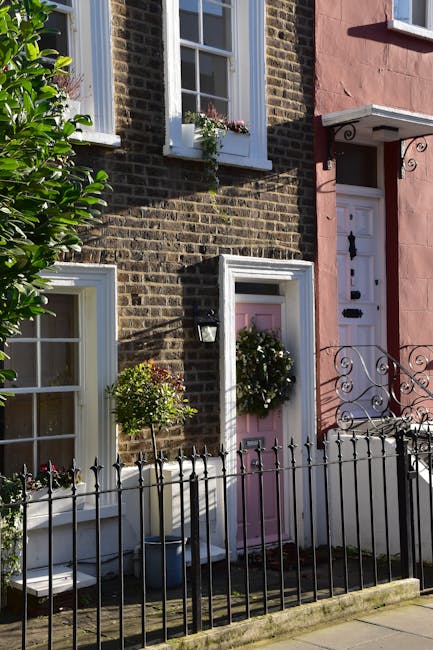
Seven Dials garden maintenance tips for Covent Garden homes
If you live in Covent Garden, you already know the outdoors can feel a little precious. A courtyard, a balcony, a tiny front garden, maybe a shared strip of planting that sits between brickwork and pavement noise - it all has to work hard. These Seven Dials garden maintenance tips for Covent Garden homes are designed for exactly that kind of space: compact, exposed, busy, and often not as forgiving as a suburban lawn.
Truth be told, small London gardens can be more demanding than large ones. Soil dries quickly. Shade from surrounding buildings can linger longer than you expect. Leaves collect in corners, pots get thirsty, and neglected edges make even a neat space look tired. The good news? With the right routine, you can keep things tidy, healthy, and inviting without turning every weekend into a second job.
This guide covers what matters most, how local garden maintenance works in practice, the mistakes people make, and the sensible next steps if you want a cleaner, calmer outdoor space. You'll also find a checklist, a comparison table, and a few real-world observations from the kind of tight, characterful gardens that are common around Seven Dials and the wider Covent Garden area.
Table of Contents
- Why Seven Dials garden maintenance tips for Covent Garden homes Matters
- How Seven Dials garden maintenance tips for Covent Garden homes Works
- Key Benefits and Practical Advantages
- Who This Is For and When It Makes Sense
- Step-by-Step Guidance
- Expert Tips for Better Results
- Common Mistakes to Avoid
- Tools, Resources and Recommendations
- Law, Compliance, Standards, or Best Practice
- Options, Methods, or Comparison Table
- Case Study or Real-World Example
- Practical Checklist
- Conclusion
- Frequently Asked Questions
Why Seven Dials garden maintenance tips for Covent Garden homes Matters
Seven Dials and Covent Garden sit in one of London's most distinctive urban settings. That's part of the charm, but it also means garden care has to be practical, not idealistic. Space is tight. Privacy matters. Footfall, dust, reflected heat, and wind tunnels between buildings all affect how plants grow and how often surfaces need attention.
A neglected garden here doesn't just look untidy. It can feel smaller, darker, and less usable. A few overgrown shrubs or a patch of moss on paving can quickly make a courtyard feel forgotten. On the flip side, a well-kept outdoor space can act like an extra room. A small one, yes, but still a room. Somewhere for a morning coffee, a pot of herbs, or simply a bit of fresh air with the door open.
There's also the local reality of shared boundaries and close neighbours. In a dense part of London, maintenance isn't just about appearance. It's about keeping growth under control, reducing leaf build-up, preventing slippery surfaces, and making sure plants don't block light or access. That sounds obvious, but many homeowners only notice the issue once the space has already become awkward to use.
If you're exploring professional help, it's worth starting with a clear view of the available garden services in Covent Garden and then checking how the work is managed. A good local provider should make the process straightforward, from the first enquiry through to completion.
How Seven Dials garden maintenance tips for Covent Garden homes Works
At its core, garden maintenance is about keeping a space healthy, tidy, and manageable over time. In Seven Dials and the wider Covent Garden area, that usually means a mix of regular upkeep and seasonal jobs rather than one big overhaul. Think trimming, clearing, weeding, feeding, deadheading, checking drainage, and dealing with the kind of small issues that become bigger ones if you leave them.
For many homes, the work follows a simple pattern:
- Assess the space - what needs attention, what is thriving, what is struggling, and what is simply taking up too much room.
- Prioritise safety and access - especially on narrow paths, steps, rooftop spaces, or around shared entrances.
- Carry out the main maintenance - pruning, mowing where relevant, edging, weeding, and waste collection.
- Finish with plant-specific care - watering, mulching, feeding, and checking for pests or disease.
- Set the next interval - because in compact urban gardens, waiting too long is usually what causes the mess.
A lot depends on the type of outdoor space. A tiny paved courtyard needs a different approach from a planted rear garden or a roof terrace with containers. So, to be fair, there is no single "right" routine. There is only the routine that fits the space and the season.
Professional maintenance often works best when it is steady rather than dramatic. Regular visits tend to keep costs and effort more predictable, and they stop the garden from slipping into that awkward half-neat, half-overgrown stage that London gardens seem to enter almost overnight after a bit of rain.
Key Benefits and Practical Advantages
Good maintenance does more than make a garden look smart. It changes how you use the space and how much attention it demands from you.
- Better use of limited space - compact gardens feel larger when edges are crisp and planting is controlled.
- Healthier plants - pruning, feeding, and the right watering habits reduce stress on plants that already live in a tricky environment.
- Safer surfaces - moss, damp leaves, and loose debris can make paths and steps slippery.
- Improved privacy - neat screening plants and managed climbing growth help without creating a jungle effect.
- Lower long-term effort - small, regular jobs are much easier than a major seasonal rescue.
- Better first impressions - whether you're selling, renting, or simply welcoming guests, the garden becomes an asset rather than a chore.
In a neighbourhood like Seven Dials, where homes often have character rather than space, that last point matters more than people think. A tidy garden can make the whole property feel better cared for. Not flashy. Just calm and well kept. And that calm has value.
If you want a service that balances presentation with reliability, it helps to understand how a provider works behind the scenes too. Pages such as insurance and safety information and the company's health and safety policy are useful signs that the work is being handled properly.
Who This Is For and When It Makes Sense
This kind of maintenance is a good fit for a surprisingly wide range of people.
- Homeowners who want a neat garden without spending every spare hour on it.
- Buy-to-let landlords who need the outdoor space to stay presentable between tenancies.
- Residents with courtyards or patios that gather leaves, weeds, and dust quickly.
- People with balconies or roof terraces who rely on pots, planters, and container plants.
- Busy professionals who want regular upkeep but not the admin headache.
- Anyone preparing to sell or host and needing a fast but polished improvement.
It makes sense when the space is starting to feel unmanageable, but it also makes sense before that point. A small garden in central London can look fine for a while, then suddenly feel wild. One week it's "a bit untidy"; the next it's a mini wilderness with damp corners and plants leaning everywhere. Happens all the time.
If you're in that in-between stage, a professional quote can help you decide whether you need one-off help, a seasonal tidy-up, or a regular schedule. For that, the pricing and quotes page is a sensible place to start.
Step-by-Step Guidance
Below is a practical approach that works well for most Covent Garden homes, especially where the garden is small, exposed, or shared.
1. Start with a full visual sweep
Walk the space slowly and look for the obvious issues first: overgrown stems, dead leaves, weeds in paving cracks, blocked drains, tired containers, and any plant that has outgrown its spot. Don't overthink it. The first pass is just to see what is actually happening.
2. Clear the surfaces
Remove fallen leaves, litter, mossy debris, and anything that's making paths or patios look neglected. In compact urban gardens, surface clutter makes a massive difference. A sweep and a proper clear-out can instantly change the feel of the whole area.
3. Tackle weeds early
Weeds are much easier to manage before they establish themselves in paving joints or planter edges. If you leave them, they take root, spread, and become annoying in that very London way: small problem, then suddenly not small.
4. Prune with restraint
In small gardens, pruning should shape rather than punish. Remove dead, damaged, or crossing growth first. Then trim back anything that's swallowing light or crowding a path. Avoid heavy cutting unless the plant and season justify it. A hacked-back shrub rarely looks elegant for long.
5. Check watering needs carefully
Container plants dry out quickly, especially in warmer spells or if the space catches reflected heat from surrounding buildings. But soggy roots are just as bad. The trick is consistent observation. Stick a finger into the compost. If it feels dry below the surface, water properly; if it's still damp, leave it be.
6. Feed and refresh planting areas
Plants in pots and small beds often need more support than those in open ground. Replace tired compost, add mulch where appropriate, and feed hungry plants during the growing season. This is especially useful for herbs, flowering containers, and anything trying to cope with a bit of shade and a bit of heat at the same time.
7. Check drainage and airflow
Blocked drainage is an easy thing to miss. In tight urban gardens, a little standing water or poor air movement can lead to moss, mildew, and root stress. Make sure planters don't sit flat against walls if they need airflow, and keep drains free from leaf build-up.
8. Finish with waste removal and a final tidy
Clearing the waste matters more than people expect. A freshly pruned garden still feels messy if the cuttings are left behind. Responsible disposal also ties into sustainability, which is worth thinking about if your maintenance visits happen regularly. You can read more about the company's approach on the recycling and sustainability page.
Expert Tips for Better Results
Small urban gardens reward careful judgement. A few practical habits make a big difference.
- Work with the light - areas near tall buildings may get less sun than you think, so choose plants accordingly.
- Use containers strategically - they let you move plants around as conditions change, which is brilliant in shaded courtyards.
- Choose a "less but better" approach - fewer healthy plants often looks better than lots of struggling ones.
- Keep a regular rhythm - fortnightly checks can prevent monthly disasters. A bit blunt, but true.
- Watch the microclimate - a wall, alley, or glass door can alter heat and wind enough to affect watering and pruning.
- Edge with intention - crisp borders make small spaces feel designed rather than squeezed together.
One useful habit is to look at the garden from inside the home, not just from outside. In many Covent Garden properties, the garden is viewed through a kitchen window or back door first. If it reads as cluttered from there, it will feel cluttered all day. If it looks balanced from the house, you've probably got the proportions right.
Another small thing: don't ignore sound and smell. Wet leaves, stale compost, or a blocked drain can tell you something is off before your eyes do. Funny, but gardens often whisper before they shout.
Common Mistakes to Avoid
Most garden problems in central London are not dramatic. They're the result of small oversights stacking up. Here are the usual suspects.
- Overwatering containers - especially during cooler months when evaporation is lower.
- Cutting back too hard - some plants do not respond well to aggressive pruning.
- Ignoring shaded areas - they need different plants and different maintenance than sun-drenched spots.
- Letting weeds mature - once they seed, the job gets harder very quickly.
- Using the wrong tools for tight spaces - big tools in a small courtyard are clumsy and can cause damage.
- Leaving waste in bins or corners too long - damp cuttings can smell and attract pests.
- Assuming all plants need the same care - they really, really don't.
The main mistake, though, is waiting until the garden feels "bad enough" to fix. By then, maintenance often becomes a repair job. It's not the end of the world, just less efficient.
Tools, Resources and Recommendations
You don't need a huge arsenal to maintain a small Covent Garden garden properly. A few good-quality tools are usually enough.
| Tool or resource | Best for | Why it helps in small London gardens |
|---|---|---|
| Hand pruners / secateurs | Light trimming and deadheading | Precise control in confined spaces |
| Stiff hand brush | Patios, steps, and paved courtyards | Quick surface clear-ups without overcomplicating things |
| Watering can with a fine rose | Container plants and delicate beds | Gentler watering, less runoff |
| Small spade or trowel | Replanting, edging, and weeding | Useful where larger tools feel awkward |
| Compost and mulch | Soil improvement and moisture retention | Supports plants in warmer, drier microclimates |
| Professional support | Regular maintenance or larger clean-ups | Saves time and helps keep standards consistent |
If you're comparing providers, look beyond the headline service. Payment options, safety standards, and the way a business handles complaints can tell you a lot about how it operates. For example, the payment and security information and the complaints procedure are both useful trust signals. Not glamorous, granted, but useful.
You may also want to check practical service details on the accessibility statement if access to the property is tight, stepped, shared, or otherwise a bit tricky.
Law, Compliance, Standards, or Best Practice
For most homeowners, garden maintenance is a practical service rather than a heavily regulated one. Even so, there are good standards worth expecting. A competent provider should work safely, respect access arrangements, manage waste responsibly, and avoid damage to plants, surfaces, or neighbouring property.
In a dense area like Covent Garden, best practice usually includes:
- clear communication before any visit
- care around shared entrances, paving, and steps
- safe handling of tools and equipment
- appropriate waste disposal or recycling where possible
- attention to property security during access
If you are hiring someone to work at height, around awkward access, or near fragile surfaces, it is sensible to ask how they manage risk. The company's health and safety policy and insurance and safety information should give you a clearer picture of how professionally the work is handled.
There's also an ethical side to buying services, even for something as ordinary as garden care. If that matters to you, the modern slavery statement and sustainability pages are worth a look. They help show how a business thinks about responsibility beyond the immediate job.
Options, Methods, or Comparison Table
Homeowners usually choose between doing it themselves, booking a one-off tidy-up, or setting up regular maintenance. Each has a place.
| Approach | Best for | Pros | Trade-offs |
|---|---|---|---|
| DIY maintenance | Very small, simple spaces | Low direct cost, full control, flexible timing | Easy to put off, takes your own time, can be inconsistent |
| One-off tidy-up | Overgrown or neglected gardens | Fast improvement, good reset point | Needs follow-up or the space drifts again |
| Regular maintenance | Busy homes, shared spaces, rental properties | Reliable standards, easier to manage over time | Ongoing commitment, requires scheduling |
For many Covent Garden households, regular maintenance ends up being the most practical choice because the environment itself is active and changeable. A garden that looks fine in early spring can look very different after a wet week, a dry spell, or a gusty run of weather. The point is not perfection. It is control.
Case Study or Real-World Example
Consider a typical Seven Dials courtyard: roughly paved, two or three large planters, a climbing plant on one wall, and a narrow path to the back door. On paper it sounds easy. In real life, the space gets dust from the street, shade for much of the day, and a build-up of fallen leaves in one awkward corner.
In one common scenario, the first visit focuses on clearing the paving, cutting back overlong stems, refreshing the compost in the planters, and checking whether the climber is hiding damaged growth behind its new shoots. That alone can make the space feel twice as usable. Then, after a few weeks, the maintenance shifts to lighter follow-up work: deadheading, checking moisture, and removing weeds before they settle in.
The difference is often surprisingly emotional for the homeowner. The garden stops feeling like a task they're failing at and becomes a place they can use again. You can open the door and think, "Ah, yes, this is better." Small moment, but a good one.
That's the real value of smart maintenance in a central London home. Not just a tidy look, but an easier life around the space.
Practical Checklist
Use this checklist to keep your garden under control between visits or as part of a regular routine.
- Check for weeds in paving, gravel, and planter edges
- Remove fallen leaves and loose debris
- Trim back anything blocking paths, doors, or light
- Deadhead spent flowers where appropriate
- Water container plants based on actual soil moisture, not guesswork
- Inspect drains and corners for standing water
- Refresh tired compost or mulch
- Look for signs of pests, disease, or stressed plants
- Dispose of green waste responsibly
- Review whether the space still fits how you use it
Quick summary: in small Covent Garden gardens, the best maintenance is regular, light, and thoughtful. Keep the space clean, keep the plants matched to the conditions, and don't let minor issues build up. That's the whole game, more or less.
Conclusion
Seven Dials garden maintenance is really about making a compact outdoor space work beautifully in a dense city setting. The best results come from consistency, not drastic effort. Tidy the surfaces, manage plant growth, respect the local conditions, and pay attention to what the garden is telling you. A small courtyard or terrace can be a genuine asset when it is looked after properly.
If you are weighing up DIY care against professional help, think about time, access, plant type, and how often the space slips out of shape. Sometimes a short, regular visit is all it takes to keep everything calm. And calm is underrated, especially in central London.
Get a free quote today and see how much you can save.
However you choose to manage it, the goal is simple: a garden that feels welcoming whenever you step outside, even if it's just for a minute with a cup of tea and a quiet breath before the city gets loud again.
Frequently Asked Questions
How often should a Covent Garden garden be maintained?
For most small urban gardens, light maintenance every one to two weeks keeps things under control. Planting-heavy spaces or shared courtyards may need a more regular rhythm in peak growing season.
What makes Seven Dials gardens different from suburban gardens?
They are usually smaller, more shaded, and more exposed to surrounding buildings, dust, and reflected heat. That means watering, pruning, and plant choice need more care and a little more judgement.
Is DIY garden maintenance enough for a small London courtyard?
Sometimes, yes. If the space is simple and you enjoy the work, DIY can be fine. But once access, climbing plants, waste removal, or regular tidying becomes a burden, professional help is often the easier route.
What should I look for in a local garden maintenance provider?
Look for clear communication, sensible pricing, proper insurance, safe working practices, and a service range that matches your space. Pages like the services overview and pricing and quotes page can help you compare what is offered.
Do small gardens need mowing services?
Not always. Many Covent Garden homes rely more on pruning, weeding, edging, and container care than traditional lawn work. If there is turf, though, even a small patch needs regular attention.
How do I stop a patio garden from looking messy so quickly?
Keep on top of fallen leaves, trim plants before they spill into paths, and avoid overcrowding planters. Small spaces look tidy when the edges are clear and the planting is intentional.
What is the best time of year for a garden tidy-up?
Spring and autumn are the big reset points for most gardens, but small spaces often need year-round attention. In summer, watering and deadheading matter more; in winter, leaf clearance and drainage checks become more important.
Are there safety issues with garden maintenance in tight urban spaces?
Yes. Narrow access, steps, slippery paving, and awkward tool handling all increase risk a little. That is why it is sensible to choose a provider that explains its safety approach clearly, such as through a health and safety policy.
How do I know if my plants are wrong for the space?
If they are constantly drooping, stretching towards light, dropping leaves, or drying out too quickly, they may not suit the local microclimate. In shaded or exposed Covent Garden gardens, plant selection matters more than many people expect.
Can garden maintenance help if I'm selling or renting my home?
Absolutely. A tidy, low-maintenance outdoor space improves presentation and can help the property feel better cared for. It does not need to be elaborate. It just needs to look intentional and usable.
What happens to the green waste after maintenance?
That depends on the service provider and the type of work carried out. If sustainability matters to you, check the recycling and sustainability information so you know how waste is managed.
What if I have a complaint about the service?
A professional company should have a straightforward way to raise concerns. It is worth reviewing the complaints procedure before booking, just so you know what to expect if something needs attention.